Japan Plans to Beam Solar Power from Space: What It Means for the Future of Energy
Japan has announced a bold new step in renewable energy development: the launch of a space-based solar power project that aims to transmit electricity wirelessly from orbit to Earth. This futuristic initiative, which may sound like science fiction, is rooted in decades of research and has the potential to revolutionize how solar energy is harvested and distributed globally.
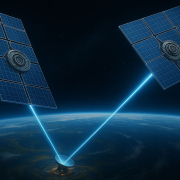
The core concept involves placing large solar panel arrays in geosynchronous orbit, where they can collect solar energy without interruption—unlike Earth-based panels that contend with night cycles and weather conditions. Once collected, this energy would be converted into microwaves or laser beams and sent to ground-based receiving stations, where it would be converted back into electricity for grid use.
Japan’s Ministry of Economy, Trade and Industry (METI) is supporting the initiative, with experimental launches expected to begin as early as 2025. The plan includes collaboration between government agencies, research universities, and private industry. If successful, Japan would be the first country to demonstrate wireless power transmission from space to a specific point on Earth.
The benefits of this approach are significant. Space-based solar can provide a constant and virtually limitless source of energy. Unlike traditional solar farms, which are limited by land use, weather, and daylight hours, orbital solar stations would operate 24/7. This could dramatically increase solar energy’s reliability and scalability, especially for countries with high energy demands but limited land availability.
However, there are substantial challenges to overcome. The cost of launching materials into space is still high, although it has dropped significantly in recent years thanks to reusable rocket technology. The technical complexity of building and maintaining large solar collectors in space is also non-trivial. Additionally, there are concerns about the safety of beaming high-intensity microwaves or lasers through the atmosphere, and whether the receiving stations could pose environmental or health risks.
Security and sovereignty are also important considerations. The ability to transmit concentrated energy over long distances could raise geopolitical tensions if not transparently regulated and cooperatively managed. For this reason, Japan’s efforts are being closely watched by other nations and by international space and energy policy bodies.
While still in its early stages, Japan’s project could catalyze global interest in orbital solar technology. It may eventually lead to international partnerships for space-based energy generation, and influence the design of energy infrastructure for decades to come. Some researchers believe that if the technology proves viable, it could help meet the world’s growing energy needs without further burdening Earth’s surface or ecosystems.
For Canadians interested in solar energy and renewable innovation, this development underscores how rapidly the field is evolving. While space-based solar is not yet a direct competitor or complement to traditional rooftop or utility-scale solar, it shows how energy independence and resilience may be pursued from multiple technological directions. The project also serves as a reminder that major breakthroughs often begin with small-scale tests and visionary goals—both of which are now in motion.
Original Article Link:
https://bgr.com/science/japan-has-a-plan-to-beam-energy-down-to-earth-from-space/