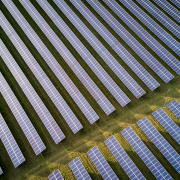
The solar energy industry in the United States achieved a significant milestone in 2024, marking its most robust growth in history. According to a detailed report released by the Solar Energy Industries Association (SEIA) and Wood Mackenzie, the U.S. added an unprecedented amount of new solar power capacity—nearly doubling the installation figures from previous years.
The nation installed an impressive 45 gigawatts (GW) of new solar capacity in 2024, surpassing previous annual records by a wide margin. Several factors contributed to this explosive growth, including favorable policy environments, increased private and public investments, significant technological advancements, and broader acceptance among commercial and residential consumers.
Utility-scale solar projects dominated this surge, representing approximately 70% of new installations. Large-scale solar farms provided cost-effective and substantial renewable energy production, allowing utility companies and municipalities to meet ambitious clean energy targets. This trend reflects a growing recognition of solar as not only environmentally beneficial but economically advantageous due to its declining costs.
Residential solar installations also reached new highs, driven by consumer demand for energy independence, resilience during power outages, and economic incentives like tax credits and net metering. Homeowners embraced rooftop solar installations to mitigate rising electricity costs and reduce dependence on the traditional grid. The residential sector’s growth underscores shifting public attitudes toward renewable energy adoption, as well as improvements in panel efficiency and storage capabilities.
Commercial and industrial sectors equally contributed to this increase, as businesses adopted solar solutions as part of their sustainability goals and financial strategies. Corporate power purchase agreements (PPAs) and environmental, social, and governance (ESG) commitments by major corporations played substantial roles in accelerating solar installations.
Several states stood out prominently in leading this growth. California, Texas, and Florida maintained their leadership positions, bolstered by supportive state policies, abundant sunlight, and aggressive clean-energy mandates. However, emerging markets in the Midwest and Northeast also reported significant growth, driven by improved policies and incentives, signaling solar’s increasing geographical diversity.
This record-breaking year represents a broader trend of rapid renewable energy adoption across North America. According to analysts, solar energy’s sustained growth will continue in subsequent years, supported by ongoing technological advances, cost reductions in battery storage systems, and expanded state and federal incentives.
Despite the remarkable growth, the report highlighted potential challenges. Grid infrastructure remains a limiting factor, with the need for significant modernization and expansion to accommodate intermittent renewable energy sources. Supply-chain concerns, particularly around solar panel components like silicon wafers and critical minerals, also present hurdles to maintaining this growth trajectory.
In summary, 2024 marked a transformative year for the U.S. solar industry, highlighting its resilience, scalability, and integral role in the nation’s shift toward sustainable energy solutions. With continued advancements, industry collaboration, and supportive policies, the United States stands poised to sustain—and possibly surpass—this remarkable rate of solar expansion in the coming years.
Original Article Link:
Energy Global – U.S. Installed Record New Solar Capacity in 2024