B.C. Government Announces New Solar Energy Project to Expand Clean Power Supply

The Government of British Columbia recently added a solar energy project to its portfolio through BC Hydro, signaling renewed commitment to increasing renewable energy generation in the province. This initiative is part of a larger effort to prepare B.C.’s grid for growing demand while aligning with emissions reduction goals.

The solar project, selected through BC Hydro’s competitive call for power, will generate clean electricity and support local economic development. Although it is relatively modest in scale compared to utility-scale solar farms in other jurisdictions, its inclusion in BC Hydro’s supply mix is seen as an important symbolic and strategic step.

Energy analysts suggest that if successful, this project could open the door to further solar procurements in the province, paving the way for future investments. At the same time, stakeholders are watching to see whether the permitting, grid interconnection, and procurement processes can be improved to support broader solar deployment.

For now, the project stands as a milestone—albeit a cautious one—in B.C.’s clean energy journey.

Original Article Link:
https://news.gov.bc.ca/releases/2024ECS0072-001678

Japan Plans to Beam Solar Power from Space: What It Means for the Future of Energy

Japan has announced a bold new step in renewable energy development: the launch of a space-based solar power project that aims to transmit electricity wirelessly from orbit to Earth. This futuristic initiative, which may sound like science fiction, is rooted in decades of research and has the potential to revolutionize how solar energy is harvested and distributed globally.

The core concept involves placing large solar panel arrays in geosynchronous orbit, where they can collect solar energy without interruption—unlike Earth-based panels that contend with night cycles and weather conditions. Once collected, this energy would be converted into microwaves or laser beams and sent to ground-based receiving stations, where it would be converted back into electricity for grid use.

Japan’s Ministry of Economy, Trade and Industry (METI) is supporting the initiative, with experimental launches expected to begin as early as 2025. The plan includes collaboration between government agencies, research universities, and private industry. If successful, Japan would be the first country to demonstrate wireless power transmission from space to a specific point on Earth.

The benefits of this approach are significant. Space-based solar can provide a constant and virtually limitless source of energy. Unlike traditional solar farms, which are limited by land use, weather, and daylight hours, orbital solar stations would operate 24/7. This could dramatically increase solar energy’s reliability and scalability, especially for countries with high energy demands but limited land availability.

However, there are substantial challenges to overcome. The cost of launching materials into space is still high, although it has dropped significantly in recent years thanks to reusable rocket technology. The technical complexity of building and maintaining large solar collectors in space is also non-trivial. Additionally, there are concerns about the safety of beaming high-intensity microwaves or lasers through the atmosphere, and whether the receiving stations could pose environmental or health risks.

Security and sovereignty are also important considerations. The ability to transmit concentrated energy over long distances could raise geopolitical tensions if not transparently regulated and cooperatively managed. For this reason, Japan’s efforts are being closely watched by other nations and by international space and energy policy bodies.

While still in its early stages, Japan’s project could catalyze global interest in orbital solar technology. It may eventually lead to international partnerships for space-based energy generation, and influence the design of energy infrastructure for decades to come. Some researchers believe that if the technology proves viable, it could help meet the world’s growing energy needs without further burdening Earth’s surface or ecosystems.

For Canadians interested in solar energy and renewable innovation, this development underscores how rapidly the field is evolving. While space-based solar is not yet a direct competitor or complement to traditional rooftop or utility-scale solar, it shows how energy independence and resilience may be pursued from multiple technological directions. The project also serves as a reminder that major breakthroughs often begin with small-scale tests and visionary goals—both of which are now in motion.

Original Article Link:
https://bgr.com/science/japan-has-a-plan-to-beam-energy-down-to-earth-from-space/

Cold Lake First Nations Achieves Majority Ownership in Pioneering Solar Project

Cold Lake First Nations has acquired majority ownership in a groundbreaking solar energy project, marking a significant step towards Indigenous participation in renewable energy development. This move not only empowers the community economically but also aligns with broader goals of environmental stewardship and sustainable development.

The project serves as a model for Indigenous-led renewable energy initiatives, demonstrating the potential for communities to take active roles in clean energy production. It also highlights the importance of partnerships and supportive frameworks that enable Indigenous groups to invest in and benefit from renewable energy projects.

Such developments contribute to reconciliation efforts and promote inclusive growth within the renewable energy sector.

Original Article Link:
https://www.thespec.com/news/canada/cold-lake-first-nations-takes-majority-ownership-in-groundbreaking-solar-energy-project/article_7eb467b4-cd85-5818-9f96-bb614bb48953.html

Canada Adds 314 MW of Solar Capacity in 2024, Marking Steady Growth

In 2024, Canada installed 314 megawatts (MW) of new solar photovoltaic (PV) capacity, bringing the nation’s total installed solar capacity to over 5 gigawatts (GW). This growth reflects a steady increase in solar adoption across the country, driven by declining technology costs, supportive policies, and a growing emphasis on renewable energy.

The expansion includes both utility-scale projects and distributed generation systems, such as residential and commercial rooftop installations. While the growth rate is moderate compared to global leaders, it signifies Canada’s ongoing commitment to diversifying its energy mix and reducing carbon emissions.

Continued investment in solar infrastructure, along with streamlined regulations and incentives, will be crucial for accelerating Canada’s transition to a sustainable energy future.

Original Article Link:
https://www.pv-magazine.com/2025/03/10/canada-deploys-314-mw-of-solar-in-2024/

Integrating Rooftop and Utility-Scale Solar: A Dual Approach for B.C.’s Energy Future

As British Columbia aims to meet its future energy demands sustainably, experts emphasize the necessity of a dual approach that incorporates both rooftop solar installations and utility-scale solar farms. This strategy ensures a balanced and resilient energy grid capable of accommodating the province’s growing population and economic activities.

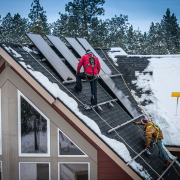
Rooftop solar systems offer decentralized energy production, reducing transmission losses and empowering consumers to participate directly in energy generation. They are particularly effective in urban areas where space for large-scale installations is limited.

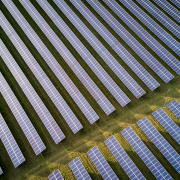
Conversely, utility-scale solar farms provide substantial energy outputs, benefiting from economies of scale and contributing significantly to the overall energy mix. These installations are crucial for meeting large-scale energy demands and can be strategically placed in areas with optimal solar exposure.

The integration of both systems requires thoughtful planning, supportive policies, and investment in grid infrastructure to manage the variable nature of solar energy. By embracing this comprehensive approach, B.C. can enhance its energy security, reduce greenhouse gas emissions, and move closer to its renewable energy targets.

Original Article Link:
https://www.castanet.net/news/Sustainability-Spotlight/498233/Rooftop-panels-and-solar-panel-farms-will-both-be-needed-B-C-s-future-power-needs

Advancing Solar Manufacturing: Canada’s Strategic Move Towards Energy Independence

Canada is making strategic investments in solar energy manufacturing to bolster its energy independence and stimulate economic growth. By developing domestic manufacturing capabilities for solar panels and related technologies, the country aims to reduce reliance on foreign imports, create jobs, and position itself as a leader in the renewable energy sector.

This initiative involves collaboration between government entities, private companies, and research institutions to establish a robust supply chain and foster innovation in solar technology. Emphasizing local production not only enhances energy security but also aligns with Canada’s environmental objectives by promoting clean energy solutions.

The success of this manufacturing push will depend on sustained investment, supportive policies, and the ability to compete in the global market.

Original Article Link:
https://ici.radio-canada.ca/rci/en/news/2159250/solar-energy-manufacturing-canada

Solar Energy Adoption in British Columbia: Navigating Growth and Challenges

British Columbia (B.C.) is witnessing a significant uptick in solar energy adoption, driven by both residential and commercial sectors. The province’s unique geographical and climatic conditions make it a viable location for solar energy generation, despite common misconceptions about its suitability due to weather patterns.

Recent reports highlight that while B.C. has substantial potential for solar energy, the province still lags behind others in Canada regarding installed capacity. Factors contributing to this include regulatory hurdles, limited incentives, and a lack of comprehensive provincial strategies to promote solar energy.

However, local initiatives and community-driven projects are making headway. Municipalities are beginning to implement policies that encourage solar installations, and there’s a growing interest among homeowners and businesses to invest in solar technology. Educational campaigns and pilot projects are also playing a role in increasing awareness and demonstrating the feasibility of solar energy in the region.

The trajectory suggests that with supportive policies and streamlined processes, B.C. could significantly enhance its solar energy footprint, contributing to broader environmental goals and energy diversification.

Original Article Link:
https://www.cbc.ca/news/canada/british-columbia/solar-panels-british-columbia-1.7248646

U.S. Sets Record for New Solar Capacity in 2024: A Comprehensive Look

The solar energy industry in the United States achieved a significant milestone in 2024, marking its most robust growth in history. According to a detailed report released by the Solar Energy Industries Association (SEIA) and Wood Mackenzie, the U.S. added an unprecedented amount of new solar power capacity—nearly doubling the installation figures from previous years.

The nation installed an impressive 45 gigawatts (GW) of new solar capacity in 2024, surpassing previous annual records by a wide margin. Several factors contributed to this explosive growth, including favorable policy environments, increased private and public investments, significant technological advancements, and broader acceptance among commercial and residential consumers.

Utility-scale solar projects dominated this surge, representing approximately 70% of new installations. Large-scale solar farms provided cost-effective and substantial renewable energy production, allowing utility companies and municipalities to meet ambitious clean energy targets. This trend reflects a growing recognition of solar as not only environmentally beneficial but economically advantageous due to its declining costs.

Residential solar installations also reached new highs, driven by consumer demand for energy independence, resilience during power outages, and economic incentives like tax credits and net metering. Homeowners embraced rooftop solar installations to mitigate rising electricity costs and reduce dependence on the traditional grid. The residential sector’s growth underscores shifting public attitudes toward renewable energy adoption, as well as improvements in panel efficiency and storage capabilities.

Commercial and industrial sectors equally contributed to this increase, as businesses adopted solar solutions as part of their sustainability goals and financial strategies. Corporate power purchase agreements (PPAs) and environmental, social, and governance (ESG) commitments by major corporations played substantial roles in accelerating solar installations.

Several states stood out prominently in leading this growth. California, Texas, and Florida maintained their leadership positions, bolstered by supportive state policies, abundant sunlight, and aggressive clean-energy mandates. However, emerging markets in the Midwest and Northeast also reported significant growth, driven by improved policies and incentives, signaling solar’s increasing geographical diversity.

This record-breaking year represents a broader trend of rapid renewable energy adoption across North America. According to analysts, solar energy’s sustained growth will continue in subsequent years, supported by ongoing technological advances, cost reductions in battery storage systems, and expanded state and federal incentives.

Despite the remarkable growth, the report highlighted potential challenges. Grid infrastructure remains a limiting factor, with the need for significant modernization and expansion to accommodate intermittent renewable energy sources. Supply-chain concerns, particularly around solar panel components like silicon wafers and critical minerals, also present hurdles to maintaining this growth trajectory.

In summary, 2024 marked a transformative year for the U.S. solar industry, highlighting its resilience, scalability, and integral role in the nation’s shift toward sustainable energy solutions. With continued advancements, industry collaboration, and supportive policies, the United States stands poised to sustain—and possibly surpass—this remarkable rate of solar expansion in the coming years.

Original Article Link:
Energy Global – U.S. Installed Record New Solar Capacity in 2024